Data Access and Security
Centralized file storage in one location
Automatic backups
Access management
Centralized file storage in one location
Automatic backups
Access management
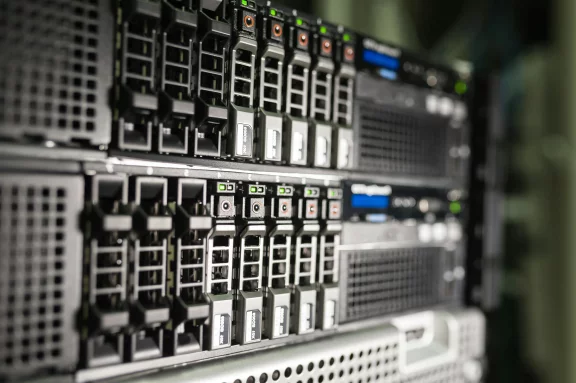
You have probably already experienced situations where multiple versions of the same file are circulating across different computers, making it difficult to know which one is the most up-to-date. Or perhaps you have spent valuable time searching for an essential document without being able to find it when you needed it most.
Centralizing your data allows all your employees to work on the same files, always up to date and accessible at any time. No more duplicates or multiple versions, everything is stored in a single, shared, and easy-to-access location.
Centralization also makes it easier to implement reliable and regular backups, strengthening the security of your data. It also enables better access control by clearly defining who can view or edit each document according to your organization's needs.
The two most common solutions are cloud storage and NAS (Network Attached Storage). Each has its own advantages and limitations. The right choice depends primarily on your needs, the volume of data you manage, and your working environment.
A NAS provides full control over your data and fast access to files within your local network. It is particularly suitable for environments handling large files or requiring high internal performance. It can also be configured for secure remote access. Although the initial investment is higher, it generally pays off over the long term.
Cloud solutions, on the other hand, are easy to deploy and offer great flexibility. They allow access to data from anywhere without the need to manage infrastructure. However, they involve recurring costs, and performance depends on the quality of your internet connection.
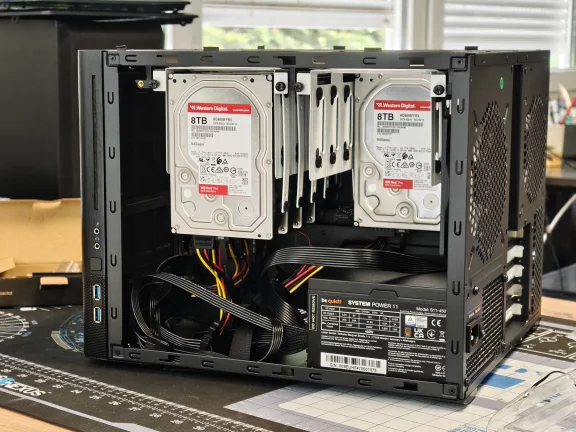
We help you choose the solutions that best fit your business by considering your goals, environment, and technical constraints. We then implement them in a customized manner to meet your specific needs. Finally, we provide ongoing maintenance and support to ensure the stability, performance, and continuous evolution of your IT systems.
